
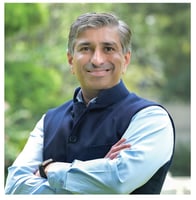
As power demand grows, Ratul Puri believes integrated energy systems will be key to delivering...
India’s energy transition is entering a complex second phase. We are moving past the era where simply "adding more solar" was enough. Today, the challenge isn't just generating power, it’s making sure that power is available when the grid actually needs it.
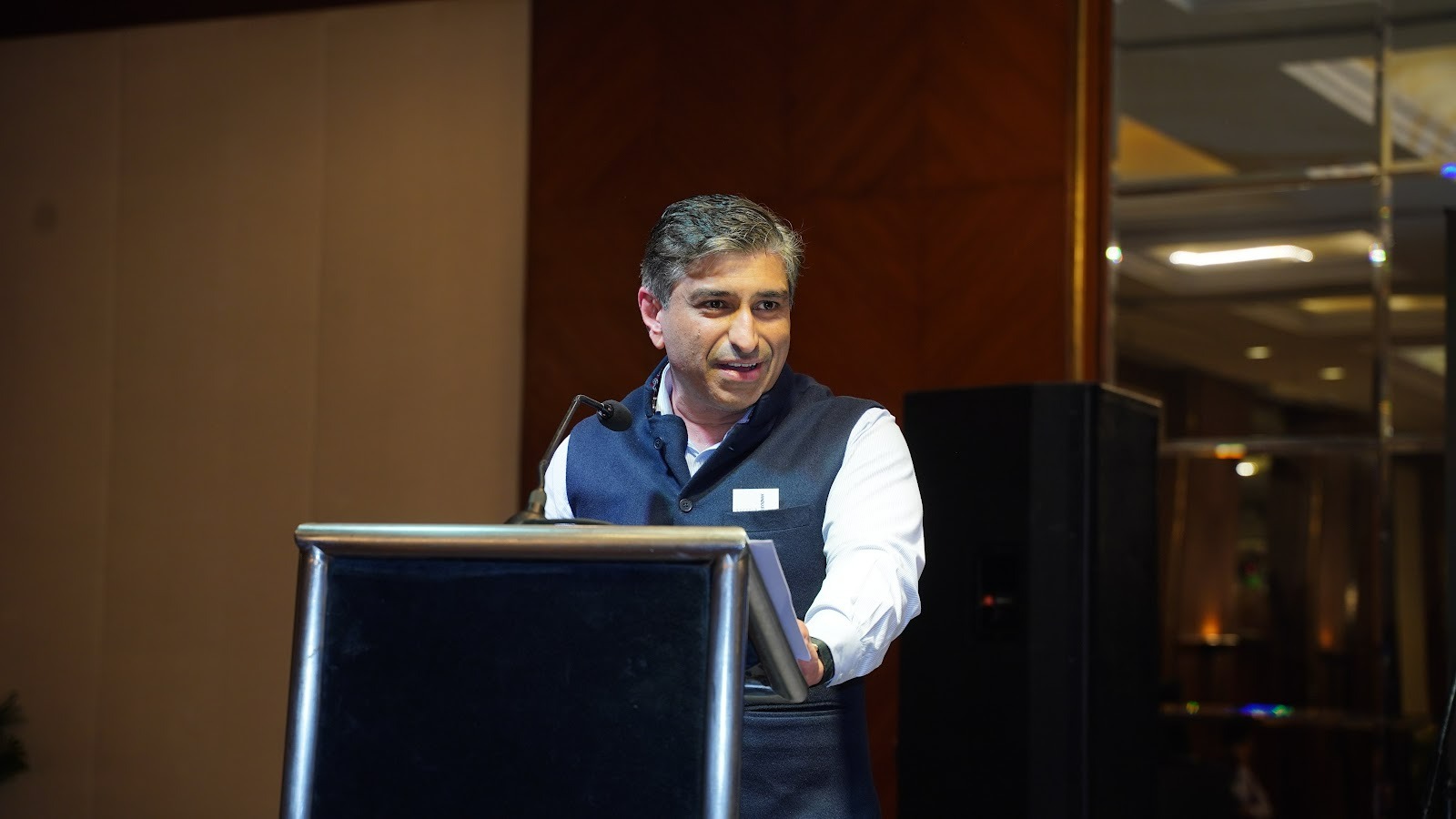
Under the leadership of Ratul Puri, Hindustan Power has spent 2025 making a series of moves that suggest a very specific roadmap for the future: a shift toward integrated, dispatchable energy.
The 1 GW Expansion: Not Just About Size
Recently, the company added nearly 1 GW of solar capacity and 0.75 GWh of energy storage. While the numbers are large, the more interesting part is the diversity of the geography and the model.
By securing projects through UPPCL (Uttar Pradesh), SJVN, and SECI, the company is diversifying its risk across different state and central agencies. The standout here is the 435 MWp project in Uttar Pradesh. In a state with rapidly growing industrial demand, a 25-year PPA provides the kind of long-term stability that is becoming rare in a volatile global energy market.
Why the Pivot to Storage (BESS) Matters
The most "un-seeded" truth about the power sector is that solar power is often produced when it is least needed. Ratul Puri’s strategy seems to be a direct answer to this "intermittency" problem.
By integrating over 0.75 GWh of storage—including a standalone 120 MWh project in Bihar—Hindustan Power is moving away from being a "commodity" power producer to a "solution" provider. This storage-first approach allows the company to:
- Stabilize the Grid: Providing power during peak evening hours when solar is offline.
- Meet Evolving Tenders: Government agencies (like SECI) are increasingly favoring players who can provide "round-the-clock" (RTC) power.
Role of BESS in India’s energy sector
Battery Energy Storage Systems (BESS) play a crucial role in the growth of renewable energy by addressing the challenge of intermittency associated with sources like solar and wind. Since renewable energy generation depends on weather conditions, BESS helps store excess energy produced during peak generation periods and releases it when demand is high or generation is low. This ensures a stable and reliable power supply, improves grid efficiency, and reduces dependency on fossil fuels for backup power. Additionally, BESS enhances energy security, supports peak load management, and enables better integration of renewable energy into the grid, making it essential for a sustainable and resilient energy future.
The Macro Perspective: Energy Security
If you look at the broader trajectory, Ratul Puri’s focus seems to be aligned with India’s goal of 500 GW of non-fossil capacity by 2030. However, instead of chasing every tender, the focus here has been on "quality capacity" projects that include the ISTS (Inter-State Transmission System) which allows power to be moved across state lines efficiently.
Final Thoughts
Hindustan Power’s recent wins aren't just a sign of growth; they are a sign of a maturing strategy. By balancing aggressive solar expansion with a heavy investment in battery storage, Ratul Puri is positioning the company to handle the grid of 2030, where flexibility will be just as valuable as the electricity itself.
.jpeg?height=200&name=ratul%20puri%20(25).jpeg)
.jpeg?height=200&name=ratul%20puri%20(24).jpeg)