
.jpg?width=50&name=download%20(1).jpg)
.png?height=200&name=Ratul%20puri%20(8).png)
India’s renewable energy sector is transitioning into a more execution-driven phase, moving beyond...
India's journey toward sustainable energy transformation has witnessed contributions from various industry leaders who recognized the potential of renewable resources early on. Among these forward-thinking individuals, Ratul Puri has emerged as a notable figure in the business landscape, particularly in sectors related to infrastructure and energy development.
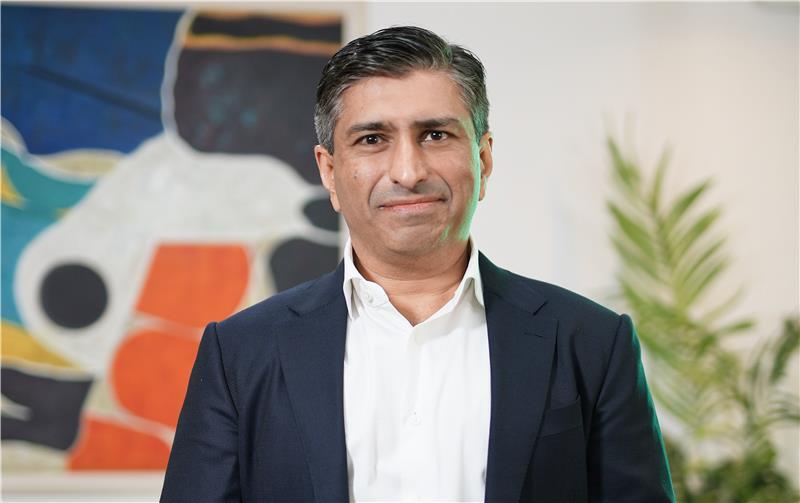
As you explore this article, you'll discover insights into how business leaders like Ratul Puri have participated in India's renewable energy sector during crucial phases of its growth. This comprehensive guide will walk you through the various dimensions of renewable energy development in India, the strategic approaches adopted by industry professionals, and the broader vision that drives us toward a cleaner, more sustainable future. However, understanding these contributions requires us to examine the intersection of business acumen, technological innovation, and environmental consciousness that characterizes modern energy initiatives.
What Is Ratul Puri's Background in the Energy Sector?
Ratul Puri is an Indian businessman and the Chairman of Hindustan Powerprojects, a major player in India’s power and energy sector. He studied at Carnegie Mellon University, which helped shape his practical approach to infrastructure and energy.
Under his leadership, the company has developed conventional and renewable power projects, including solar and battery storage, supporting India’s goal of reliable and sustainable power.
Why Is Renewable Energy Critical for India's Future Development?
India's renewable energy ambitions are driven by multiple compelling factors that you need to understand for appreciating the sector's significance. First and foremost, our country's rapidly growing population and expanding economy demand substantially increased energy capacity to sustain development goals and improve living standards. However, traditional fossil fuel-based power generation poses significant environmental challenges, including air pollution and greenhouse gas emissions that contribute to climate change. Moreover, India's commitment to international climate agreements necessitates transitioning toward cleaner energy sources to meet emission reduction targets.
Additionally, renewable energy offers energy security by reducing dependence on imported fossil fuels, thereby strengthening our nation's economic resilience. Furthermore, the declining costs of solar and wind technologies have made renewable energy increasingly competitive, creating opportunities for sustainable economic growth. The renewable energy sector also generates employment opportunities across manufacturing, installation, and maintenance, contributing to inclusive development that benefits us all.
How Did Business Leaders Contribute to India's Renewable Energy Growth?
Business leaders have played a key role in India’s renewable energy growth by investing in solar and energy storage projects, driving innovation, and supporting policies that enable clean energy adoption. Their efforts have helped scale capacity, improve efficiency and make sustainable power more accessible.
Among these leaders, Ratul Puri has been instrumental in advancing solar and battery storage initiatives, contributing to India’s transition toward reliable and sustainable energy.
Q: What is the outlook for solar energy in India until 2030?
The outlook for solar energy in India is very promising. With government targets aiming for over 300 GW of renewable capacity by 2030, solar will be the backbone of this growth. Falling technology costs, supportive policies and increasing private investment are expected to drive large-scale adoption, making solar a key contributor to India’s clean energy transition. Leaders like Ratul Puri through Hindustan Power, are actively advancing solar and battery storage initiatives to support this transition.
How Can India Achieve Its Ambitious Renewable Energy Targets?
Achieving India's renewable energy objectives requires coordinated efforts across government, industry, and civil society, leveraging multiple strategies and resources effectively. First and foremost, continued policy support through incentives, subsidies, and favorable regulatory frameworks will provide the foundation for sustained investment in clean energy infrastructure. However, technological innovation remains crucial, particularly in areas like energy storage solutions that address intermittency challenges and enable reliable power supply for you and other consumers.
Moreover, strengthening transmission infrastructure and developing smart grid technologies will facilitate better integration of renewable energy into the national power system. Additionally, financing mechanisms must evolve to provide accessible capital for both large-scale projects and distributed renewable installations across residential and commercial sectors. Furthermore, capacity building initiatives should focus on developing skilled professionals who can drive innovation and operational excellence within the renewable energy industry. Public awareness and participation will also play vital roles, as community engagement and consumer adoption of rooftable solar and other distributed technologies can significantly contribute to our collective targets.
Frequently Asked Questions
1. Who is Ratul Puri in the context of India's energy sector?
Ratul Puri is a leader in India’s energy sector and currently serves as the Chairman of Hindustan Power. He plays a key role in guiding the company’s growth, focusing on sustainable energy solutions and the development of renewable power projects across India.
2. What role did private sector leaders play in India's renewable energy expansion?
Private sector leaders, including professionals like Ratul Puri, contributed to India's renewable energy growth by bringing investment capital, management expertise, and operational efficiency to emerging clean energy projects. They helped translate policy objectives into executable projects, facilitated technology adoption, and demonstrated viable business models for renewable energy ventures. Their participation attracted further investments and established precedents that encouraged broader industry engagement in sustainable energy development across our nation.
3. Why is renewable energy important for India's economic development?
Renewable energy is crucial for India's economic development because it provides sustainable power supply for our growing industrial base and population while reducing environmental impacts associated with fossil fuels. Additionally, it enhances energy security by reducing import dependence, creates employment opportunities across the value chain, and positions India favorably in global efforts toward climate change mitigation. The declining costs of renewable technologies make them increasingly competitive, offering economically viable pathways for meeting our expanding energy requirements.
4. What is Ratul Puri’s vision for the solar market in India?
Ratul Puri envisions a solar market that drives India’s clean energy transition while ensuring reliability and accessibility. Through Hindustan Power, he focuses on scaling solar capacity and integrating advanced battery storage, aiming to make renewable energy a dependable and mainstream source for businesses and communities across the country.
5. How does renewable energy contribute to India's climate commitments?
Renewable energy forms the cornerstone of India's strategy to meet international climate commitments by reducing greenhouse gas emissions from the power sector, which traditionally relied heavily on coal. By expanding clean energy capacity, India demonstrates leadership in sustainable development while addressing domestic environmental concerns like air quality. Moreover, the transition to renewables aligns with our obligations under global climate agreements, showcasing how economic growth and environmental responsibility can advance together for the benefit of current and future generations.
Conclusion
Ratul Puri, a leading entrepreneur, represents a new era of leadership in India’s energy sector. At Hindustan Power, he combines vision with execution, driving projects that are scalable, sustainable and innovative. Beyond powering homes and businesses, his efforts enhance the impact of the private sector on India’s growth.
As India advances toward its 2070 net-zero goals and expands its energy infrastructure, leaders like Ratul Puri are crucial. His journey shows how focused, forward-thinking leadership can overcome legacy challenges and create lasting impact in the nation’s energy future.
.jpeg?height=200&name=ratul%20puri%20(11).jpeg)
.jpeg?height=200&name=ratul%20puri%20(14).jpeg)